Local standard porta potty rental in Latimer, MS
A remote worksite needs a holding tank when regular restroom use creates more wastewater than the site can safely store or manage with its available facilities. If there is no sewer connection or approved onsite system, plan containment and pump-out before work begins. At Gulf Islands National Seashore, Davis Bayou, a project crew should also confirm that delivery and servicing can reach the chosen placement area without disturbing site operations.
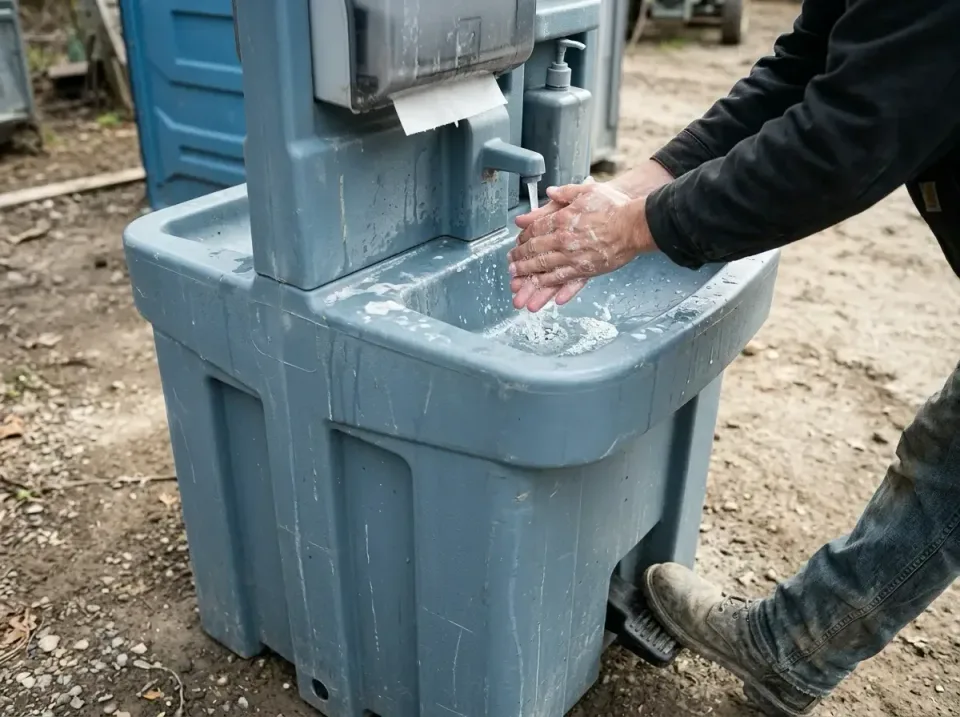
Brief freezes can affect handwash-station plumbing, so protect exposed lines and ask about winter preparation even where cold weather is usually short-lived. High humidity can make portable units feel hotter inside, so shade and a sensible service plan matter.
We’re Daniel Harper’s crew at MS Toilet Rentals, and we help Latimer-area customers match storage, access, and pickup plans to real site conditions.
When does a remote crew need extra waste storage?
A crew without sewer access should consider a holding tank when a standard self-contained toilet cannot cover the work period, user load, or required service plan. A tank is also worth discussing when wastewater must be collected separately for controlled removal rather than discharged onsite.
It is not a substitute for a legal disposal plan. Before placing one, confirm who will pump it, how often, and where collected waste will go.
The job’s location changes the practical answer. At a rural property near Latimer Community, a long drive from public facilities can make reliable onsite sanitation essential for the whole shift.
Along Mississippi Highway 613, confirm the route and site entrance with the delivery crew before setting a date; a truck that cannot reach the placement point can delay both setup and servicing. We ask about the work schedule, expected users, and pump-out access before recommending a configuration.
What signs show a holding tank is needed?
No restroom access at a rural worksite is an obvious signal, but repeated overflow concerns or a tank that fills before the planned service visit also call for a revised setup. Mosquito activity rises during warm, wet months, so promptly closing and servicing waste-storage equipment helps avoid creating an unnecessary nuisance around workers. Do not wait until the tank is at capacity to arrange service.
In Hurley or Moss Point, crews may be working far from convenient facilities; the right answer depends on the project’s actual access and wastewater arrangement, not the town name alone. Mild winters generally mean less freeze-related disruption to a typical rental schedule, but they do not remove the need to plan pump-outs. If usage changes, tell the provider early so the service interval can be adjusted.
Can a holding tank work with a portable toilet?
Yes, some site setups use a holding tank to collect wastewater from compatible restroom equipment, but the tank and connections must be designed for that configuration. A regular chemical toilet is a self-contained unit; it does not automatically connect to a separate tank. Ask the rental provider to confirm compatibility and explain how the vacuum truck will access the connection.
Projects near Ocean Springs High School or other active sites should also account for where workers walk and where service vehicles can safely operate. Keep the tank and any lines away from traffic routes, and avoid making improvised plumbing connections. Our crew checks intended use and placement before scheduling equipment, helping prevent a mismatch that could mean a second delivery or an interrupted workday.
When should you DIY or call a professional?
You can handle basic planning yourself: estimate the work period, identify the access gate, mark underground utilities, and choose a stable placement area. Stop short of installing a tank, connecting wastewater lines, or arranging disposal on your own unless the system and disposal method are approved for that purpose. A mistaken discharge or incompatible connection can create a health and environmental problem.
For a remote job, call a provider when you are unsure about capacity, fittings, pump-out access, or disposal arrangements. Our rural worksite toilet access guide covers planning questions, while delivery checks for hard-to-reach sites can help you prepare the approach. We use clear scheduling and practical site questions so the equipment plan fits the job rather than guesswork.
Which Holding Tank Setup Fits a Remote Site?
Choose equipment by how wastewater is generated and removed, not by the label alone. A holding tank stores waste for later pump-out; a portable restroom is typically a self-contained option.
Flash flooding can affect roads and job-site access, so a site near Interstate 10 or U.S. Highway 90 should have a workable alternate service plan if the approach becomes impassable.
Gautier projects may have different access conditions from a job near Fort Maurepas City Park and Nature Preserve; confirm the exact site rather than assuming truck access. Here are practical distinctions.
| Option | Best for | Key detail |
|---|---|---|
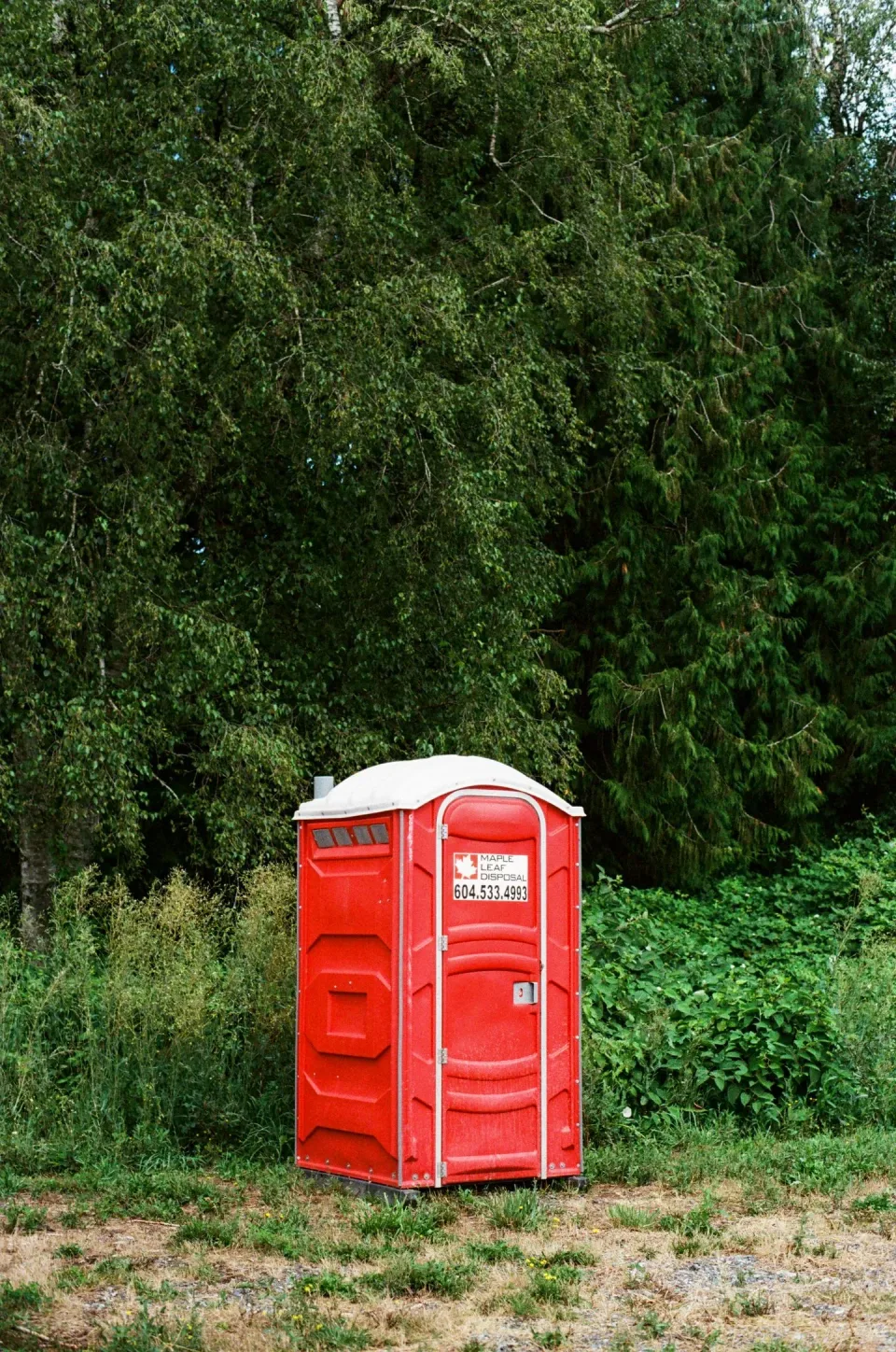
| Standard portable toilet | Small crews needing a single stall | About 4 feet wide, 4 feet deep, and 7 feet tall |
| ADA-accessible portable toilet | Users needing wider access | Wider interior footprint; plan clear access around it |
| Holding tank | Collection for a compatible setup | Capacity varies by model; arrange pump-out access |
| Restroom trailer | Sites needing indoor-style facilities | Multiple-stall configurations are available |
Confirm how the selected equipment connects, how it will be serviced, and where the truck can park.
How Do You Prepare a Remote-Site Holding Tank?
Start by describing the work schedule, expected users, and whether the tank will serve compatible restroom equipment. Keep the plan practical.
Biloxi Bay-area sites should account for frequent summer thunderstorms that can interrupt delivery access, while heavy rain can soften unpaved placement areas and make a loaded service truck unsafe to approach. Gautier City Park is a useful local reference for discussing the area, but your crew should give us the worksite’s actual address and access details.
-
Confirm the address: Provide the Latimer-area delivery address and clear directions to the placement point.
-
Prepare the ground: Select level, stable ground and tell us if the surface is unpaved or prone to standing water.
-
Clear the route: Move vehicles and equipment so delivery and pump-out trucks can reach the unit.
-
Check site constraints: Identify underground utilities and keep the placement clear of walkways and site exits.
-
Set service and pickup: Match service visits to expected use, allow pump-out access, and confirm the pickup date before the rental ends.
The International Code Council publishes model codes that may inform local building requirements; ask the relevant local authority which rules apply to your specific installation.
Plan Remote-Site Waste Storage Before Work Starts
A holding tank makes sense when a remote crew needs wastewater contained and a compatible system can be serviced and emptied through an approved route. Plan the tank, connection, and pump-out together; storage without reliable removal only postpones the problem.
The Jackson County Courthouse is a familiar local reference, but wastewater planning for a project still depends on its site and applicable requirements. Storm surge can threaten low-lying coastal properties, so keep equipment and service access in mind when selecting a location.
Coastal salt air can corrode exposed metal components over time; inspect fittings and report damage rather than waiting for a leak. For a practical quote and placement discussion, contact MS Toilet Rentals at (833) 549-4191 about holding tank rental.