What Should You Check Before a Difficult-Site Delivery?
If the delivery truck cannot reach the placement area, confirm the route and unit location before scheduling. Measure the tightest gate, note soft ground, and identify a level spot with room for servicing. A standard unit is about 4 feet wide and 7 feet tall, but the truck needs substantially more space to maneuver and unload.
We have seen a promising site plan fall apart when a parked vehicle or narrow turn blocks the final approach. Around Gulf Islands National Seashore, Davis Bayou, a clear route matters just as much as choosing a suitable placement spot.
Frequent summer thunderstorms can disrupt access, so leave time to confirm conditions. High humidity can make a unit feel hotter inside; select a shaded, ventilated location where practical.
What should you inspect along the delivery route?
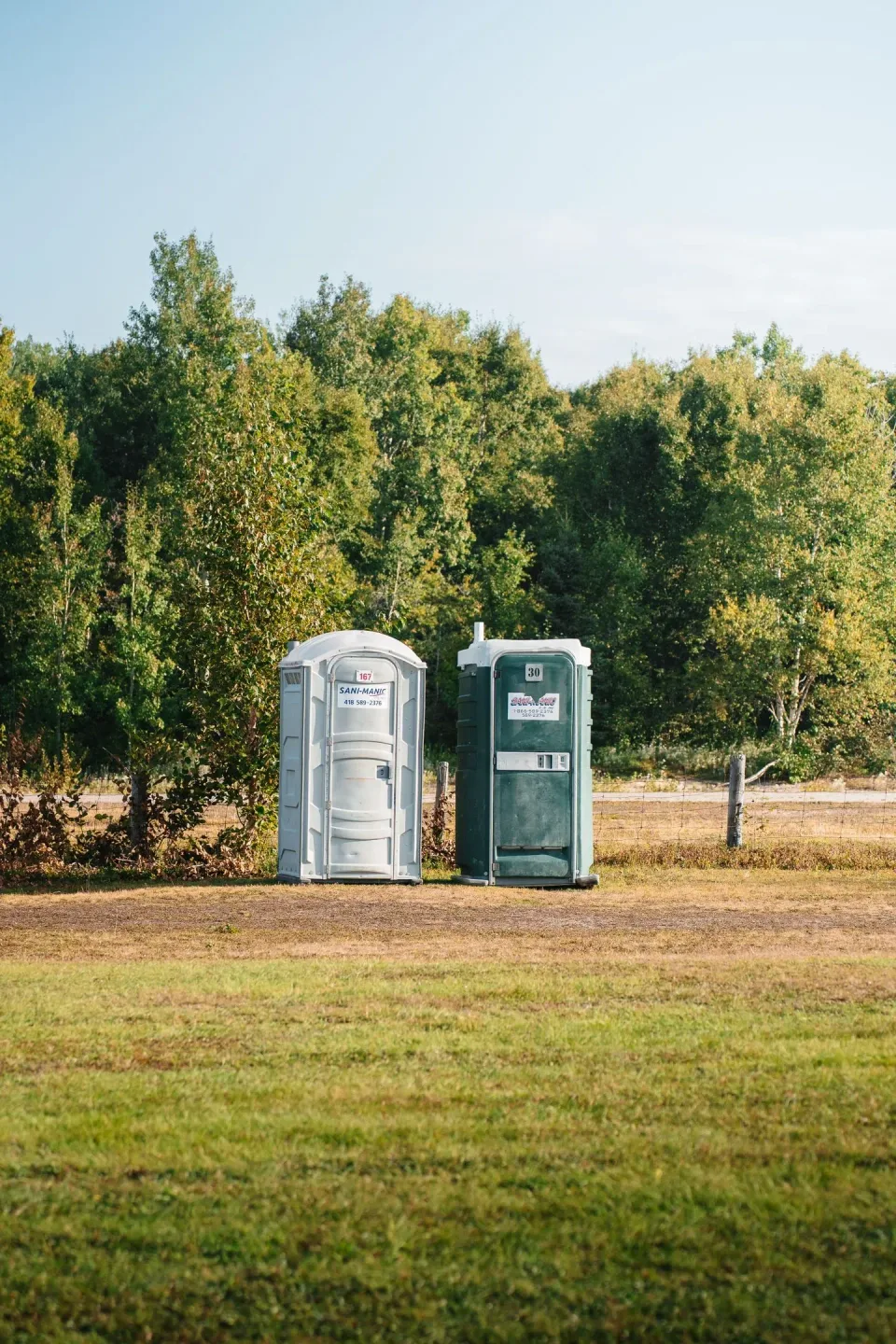
A rural worksite can have plenty of open ground and still be unreachable for a delivery truck. Walk the entire route with the driver’s approach in mind: check gate width, overhead clearance, turning room, soft shoulders, and anything that could snag or block the truck.
Flash flooding can affect roads and job-site access, so a route that works on a dry morning may not work after heavy water moves through. Tell us about low spots and alternate approaches before the delivery is scheduled.
The detail people often miss is the final turn. A truck may reach the property entrance but still be unable to safely position near the chosen spot.
If your site is near the Escatawpa River, consider how its surroundings affect the approach and whether rain could make the route difficult. For work near Interstate 10, give us the correct site entrance and clear directions; an address alone may not identify the access point a driver should use.
Our crew can review those details with you and agree on a practical delivery path. For planning rural access and worker facilities, see our guide to rural worksite toilet access in Latimer.
Is the placement area stable enough for a toilet?
Choose firm, level ground that will support the unit and remain accessible for servicing. Avoid locations where tires or foot traffic are likely to sink into soft soil, and do not place the unit where runoff could pool around its base.
If the site is near the Pascagoula River Audubon Center, use the actual ground conditions at your property not a general assumption about the area to choose the spot. A level site helps the unit sit securely and makes ordinary use safer.
Plan for the service visit, not just the drop-off. The service door and truck approach need to stay clear after construction materials, vehicles, or event equipment arrive. A placement area that looks open during setup can become blocked later. Tell us what will change on site so we can account for future access when discussing placement.
When should you handle access yourself or call a pro?
You can usually prepare the site yourself when the route is open, the ground is firm, and the intended location is easy to explain. Move vehicles, mark the placement spot, and identify obstacles before the truck arrives. In Gautier, as at any rural property, the important question is whether the truck can safely reach the unit and return for service not simply whether a person can walk to it.
Call our crew before confirming delivery if the route includes a tight turn, low clearance, a narrow gate, or ground that may not support a loaded service truck. Hickory Hills Park is a useful local reference for describing your general area, but we still need directions to your specific site entrance and placement point.
We can talk through those details instead of leaving the driver to discover a blocked route on arrival. For construction sites, our article on OSHA 29 CFR 1926.51 and Mississippi construction toilets offers related planning guidance.
What should you account for between deliveries?
A successful drop-off is only part of the plan. Keep the route clear for scheduled servicing and pickup, and tell us how long the unit will remain and how many people are expected to use it.
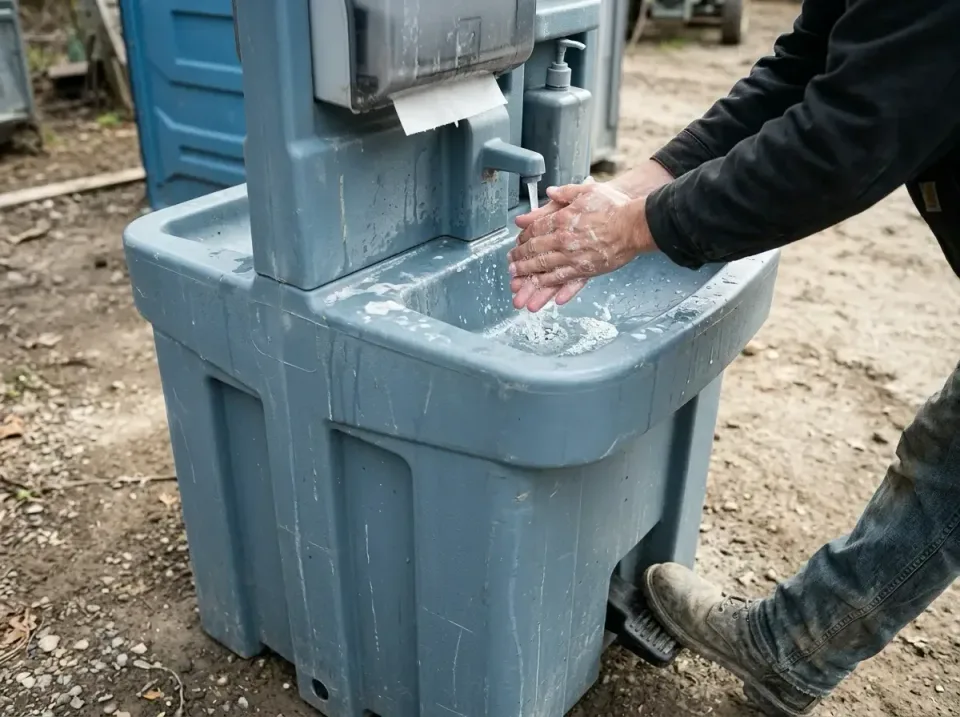
If a cold snap is forecast, occasional freezes can affect water lines; flag any handwashing equipment and ask what preparation is appropriate for the setup. Do not assume a unit can be serviced from the same position if the job site fills with parked trucks or stored materials.
At Pascagoula Beach Park, event activity can make access and timing especially important; for your site, share the schedule and any periods when vehicles cannot enter. Confirm the pickup date as well as delivery arrangements, and report a change in access promptly. We have spent more than nine years serving Latimer and nearby Mississippi communities, and clear updates help us plan around real site conditions.
Which Toilet Setup Fits a Difficult Access Route?
The right setup depends on whether the site needs a compact single stall, wider access, or a separate waste-storage arrangement. A standard unit is often practical when the route and placement area are tight.
| Option | Best for | Key detail |
|---|---|---|
| Standard portable toilet | Compact, single-stall placement | Roughly 4 feet wide and 4 feet deep; about 7 feet tall |
| ADA-accessible unit | Sites needing wider interior access | Wider footprint; confirm turning and placement room |
| Handwashing station | Adding nearby sink access | Needs a reachable location alongside the toilet |
| Restroom trailer | Multiple-stall, indoor-style facilities | Multiple-stall configurations need more setup space |
| Holding tank | Waste storage for a site setup | Capacity varies by model; confirm truck access |
Mississippi Highway 57 and Mississippi Highway 613 can help explain which corridor leads toward a site, but give the driver specific access directions rather than relying on a highway name. Big Point customers should also describe the final stretch of their route.
The humid subtropical climate near Mississippi’s Gulf Coast brings long, hot summers, which can increase servicing needs. Coastal salt air can corrode exposed metal components, so discuss site exposure when planning equipment placement.
How Do You Prepare a Remote Delivery Site?
A delivery to a remote property can go sideways if the address is right but the entrance is unclear. Start with the route and placement spot, then confirm when the truck can return for service and pickup. Keep it simple.
-
Confirm the address: Provide the complete Latimer, Mississippi address and describe the entrance the delivery truck should use.
-
Walk the route: Check gates, turns, overhead clearance, and the ground from the entrance to the unit location.
-
Choose firm, level ground: Mark a stable placement area that will not block walkways or access for service.
-
Locate utilities: Identify underground utilities before placement, and tell us about any marked lines or restricted areas.
-
Plan truck access: Keep vehicles and materials clear of the route and service-door approach.
-
Set the schedule: Share expected use, request weekend or same-day availability if needed, and confirm service and pickup timing.
For a site near the Escatawpa River Wildlife Management Area, include practical directions to your specific entrance rather than assuming the area name is enough. If the property is in Hurley, mention the final access conditions before scheduling.
Hurricane season runs June through November, so ask about a backup plan when a storm could affect access. For an event in the Ocean Springs Downtown District, include any timing or vehicle restrictions that affect delivery.
Ready to Plan a Difficult-Site Toilet Delivery?
A hard-to-reach site needs a clear route, stable placement, and room for the truck to return. Share access details early.
Tropical systems can bring damaging winds and flooding, so check whether site conditions could affect the planned delivery or pickup. At properties near Biloxi Bay, tell us about the actual low-lying areas and access constraints rather than assuming the entrance will remain usable.
If your project is near Vancleave, give us the turn-by-turn route and placement location so we can discuss the setup before scheduling.
MS Toilet Rentals has served Latimer for more than nine years, with clear arrangements and practical updates. Send us the address, route notes, and expected rental dates, or call (833) 549-4191 to discuss access and request a quote. See our portable toilet rental options for your site.